Struggling to narrow your search to the right Naperville neighborhood? You are not alone. With two school districts, a mix of historic blocks and modern master-planned communities, and varied commute options, the choices can feel overwhelming. In this guide, you will learn how to compare areas by schools, parks, commute, housing, and taxes, plus a simple checklist to shortlist homes with confidence. Let’s dive in.
Start your top priorities
Before you tour, decide what matters most. List your top three needs, like specific school considerations, a walkable lifestyle, or a larger yard and home office. Give each priority a clear target, such as a commute under 60 minutes or a yard size you prefer. Clear goals will help you rule in the right blocks and rule out the rest.
Understand Naperville’s layout
Naperville spans primarily DuPage County with portions in Will County. County lines can affect tax assessments and certain services, so plan to confirm the county for each property. The city centers on a historic, walkable core near the Riverwalk and North Central College, with established inner neighborhoods surrounding it. Many post-1970s subdivisions and newer communities sit toward the western and southern edges, where lots and home sizes often increase but distances to downtown and Metra may be longer.
Compare schools and districts
Two public districts serve Naperville: Naperville CUSD 203 and Indian Prairie SD 204. School assignments are set by street-level boundaries, not just by city name, so always verify the assigned schools directly with the district for any address you consider. Review boundary maps, current performance data, programs, and enrollment trends if these factors matter to you. If private or parochial options are part of your plan, note proximity and transportation options.
Parks, recreation, walkability
Naperville’s parks and recreation are a major draw. Compare proximity to the Riverwalk, Centennial Beach, community pools and recreation centers, and neighborhood parks. Consider access to trails and bike routes if active time outside is a priority. If you want a lively weekend scene, look for homes closer to downtown; if you prefer quieter evenings, check traffic and parking patterns near popular amenities.
Commute and transit checks
Naperville is a commuter hub with Metra BNSF rail service to Chicago, highway access along I-88, and regional bus routes. Properties near Metra stations and downtown often offer better walkability. Homes farther west and south may provide larger lots and newer floor plans, but plan for a longer drive or park-and-ride routine. Test your door-to-door commute at peak hours and confirm station parking options.
Home styles and lot sizes
You will find a spectrum of homes across Naperville. Near downtown and in older inner neighborhoods, expect historic homes and mid-century properties on modest to mid-size lots. In later subdivisions, you will often see larger single-family homes, cul-de-sacs, and homeowner associations with neighborhood amenities. Newer master-planned areas typically feature modern floor plans and larger lots on the city’s edge. For any property, review the year built, systems and maintenance history, walkability to schools, and HOA rules and fees if applicable.
Price, taxes, resale factors
Price and resale can vary by school assignment, proximity to downtown or Metra, lot size, home age and condition, and location relative to major roads or commercial corridors. Naperville parcels lie in either DuPage or Will County, and tax bills can differ by county and by local taxing bodies. Plan to review the property’s tax history and confirm any special assessments. When you compare homes, look at recent local comparable sales and typical days on market in the micro-area.
Safety, traffic, noise
Naperville is widely regarded as a relatively safe suburban city. Even so, it is smart to review police reports and local crime maps for the blocks you are considering. Walk and drive the area at different times of day to get a feel for traffic flow and potential noise near busy roads or commercial zones. This helps you match the day-to-day environment to your comfort level.
Future development plans
City planning and upcoming projects can influence neighborhood character and long-term value. Before you commit, look at city planning commission agendas, active development approvals, and county transportation plans. If you value a quieter setting, consider how new projects could change traffic or activity. If you enjoy growth and new retail, note where commercial and infrastructure additions are planned.
Naperville neighborhood types
Downtown and historic core
- Most walkable with the Riverwalk, restaurants, shops, and cultural events.
- Mix of historic homes and older condos, with limited larger yards.
- Good fit if you want proximity to Metra, North Central College, and civic life.
Established inner neighborhoods
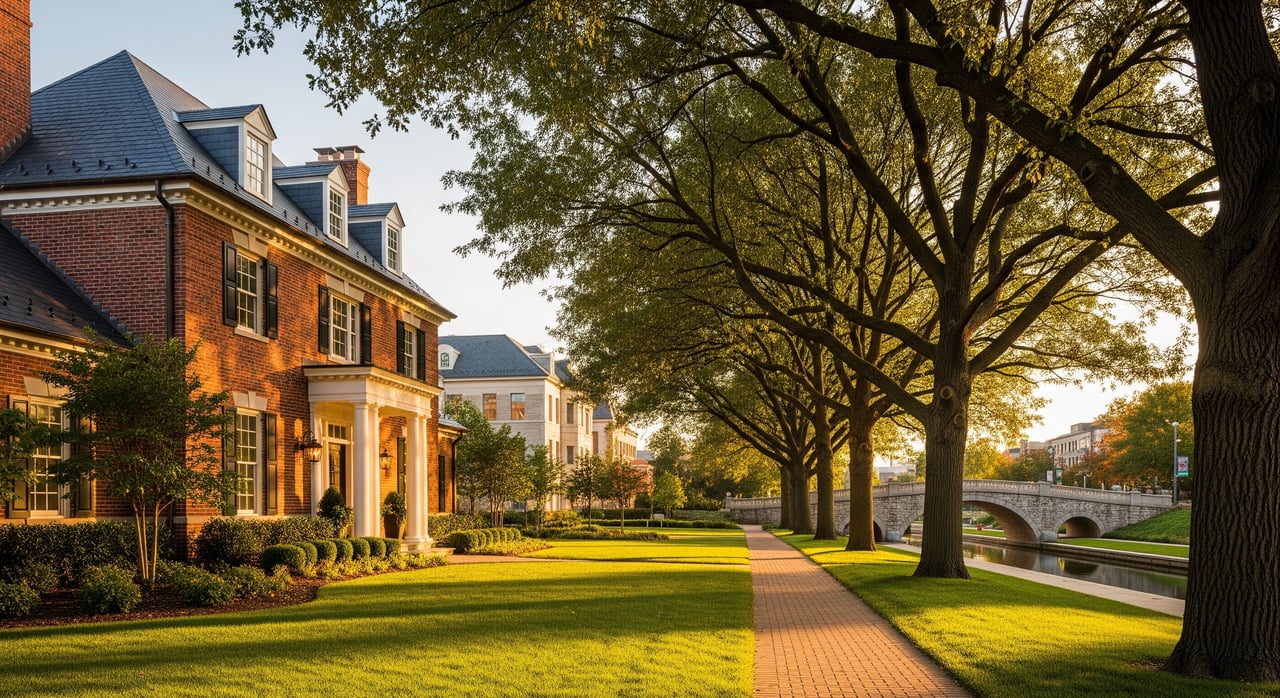
- Tree-lined streets with modest to larger lots and mature landscaping.
- Convenient to neighborhood parks and schools, with short drives to downtown.
- Good fit for families wanting community feel and balanced access.
1970s–1980s subdivisions
- Larger single-family homes, cul-de-sacs, and community amenities.
- Many areas have HOAs and neighborhood pools or parks.
- Good fit if you want more interior space and yard size.
Newer master-planned edges
- Newer construction and modern layouts with developer amenities.
- Typically larger lots farther from downtown and Metra stations.
- Good fit if you prioritize square footage and newer finishes.
Transit-oriented pockets
- Higher concentration of condos and townhomes near Metra and major arterials.
- Easier rail access and shorter drives to I-88.
- Good fit if you commute to Chicago and want convenience.
Townhome and condo corridors
- Lower-maintenance living with association services.
- Often near commercial nodes and retail.
- Good fit for downsizers, professionals, or families who prefer less upkeep.
Shortlisting checklist
Use this step-by-step process to narrow your search:
- Define your top three priorities. Example: school considerations, door-to-door commute under 60 minutes by train, yard size you prefer.
- Set a total budget that includes property taxes and any HOA fees.
- Identify assigned schools for each address that meets your criteria. Confirm with CUSD 203 or SD 204.
- Map commute times from specific addresses at peak hours, comparing Metra schedules and driving.
- Compare 3 to 5 properties per area on price per square foot, lot size, age and condition, HOA, and recent local sales.
- Visit candidate neighborhoods on weekday mornings, evenings, and weekends to assess traffic, activity, and noise.
- Check local data: county assessor for tax history, police resources for crime mapping, park proximity, and city planning pages for upcoming projects.
- Consult a local agent for on-the-ground context and resale guidance for the micro-area.
- Talk to current residents if possible about daily life details like snow removal and neighborhood social activity.
Mini-checklist for families:
- Assigned elementary, middle, and high school names plus walking routes
- Distance and minutes to the nearest Metra station
- Variety of weekend activities within 10 to 15 minutes, such as parks, pools, and downtown
- HOA status, fees, and any deed restrictions
- Property tax rate and the most recent tax bill
Smart trade-offs to consider
- Walkability vs yard size: Downtown and inner neighborhoods trade larger yards for proximity to the Riverwalk, shops, and Metra. Edge communities often deliver larger lots and newer layouts but longer commutes.
- HOA amenities vs independence: Subdivisions with pools and parks add convenience, but review the association’s rules and fees. Non-HOA areas offer more autonomy.
- Road access vs noise: Homes near major arterials can cut drive time. Check for traffic and sound at different hours to ensure it fits your tolerance.
Get local guidance
Choosing the right block in Naperville is not one-size-fits-all. The best fit depends on your daily routine, school needs, commute, and plans for the next five to ten years. A seasoned local advisor can help you verify school assignments, interpret micro-market comps, and weigh trade-offs between neighborhoods so you can buy with confidence.
Ready to explore neighborhoods that match your goals? Schedule a Free Consultation with Sarah Diana to compare areas, tour homes, and build a short list that works for your family.
FAQs
How do Naperville school assignments work?
- School attendance is determined by street-level boundaries across CUSD 203 and SD 204. Always confirm assigned schools with the district for each property you consider.
Do property taxes vary across Naperville?
- Yes. Naperville spans DuPage and Will Counties, and tax bills can differ by county, local taxing bodies, assessed value, and exemptions. Review the property’s tax history with the county assessor.
What is the commute like to downtown Chicago from Naperville?
- Many buyers use Metra’s BNSF line for direct service to the city, with typical station-to-station times under an hour. Driving times depend on proximity to I-88 and time of day.
Where can I find larger lots and newer homes in Naperville?
- Newer master-planned and edge neighborhoods often offer larger lots and modern floor plans. Downtown and inner neighborhoods typically have smaller lots with older homes.
How can I compare neighborhood safety and traffic?
- Review Naperville Police resources and local crime maps for specific blocks. Visit at different times to evaluate traffic patterns and noise near busy roads or commercial areas.