Thinking about a move to Naperville and wondering what daily life actually feels like here? You want more than a map. You want to know where you will jog, how you will commute, and where you will grab dinner on a Tuesday. You also want to see how family routines fit into the neighborhood. In this local overview, you will learn how Naperville’s parks, Riverwalk, dining, transit, and community hubs shape everyday living and commute choices. Let’s dive in.
Riverwalk and downtown lifestyle
Naperville Riverwalk in daily life
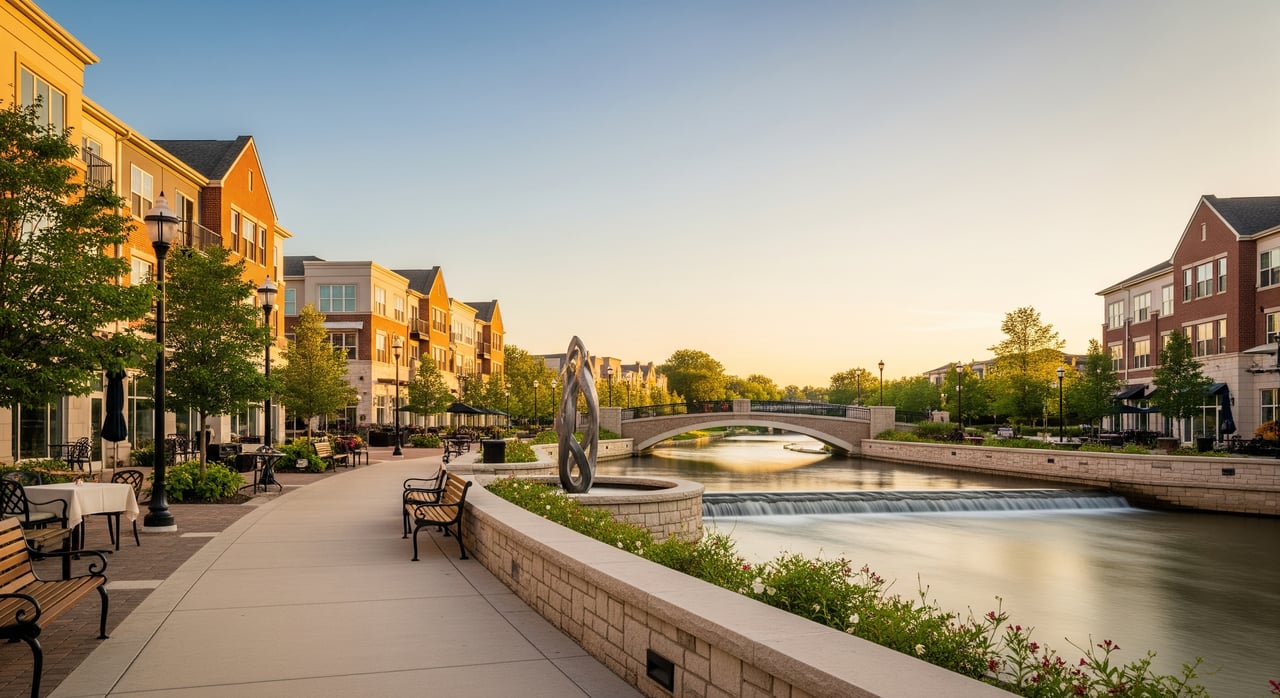
The Naperville Riverwalk is the heart of downtown. It is a landscaped path along the DuPage River with bridges, public art, and places to sit. You can run in the morning, meet friends for a family stroll after school, or enjoy dinner nearby. It anchors a walkable core with restaurants, cafés, and shops steps away.
Seasonal gatherings and events
The Riverwalk and downtown area host seasonal concerts and community festivals. Weekends bring a steady buzz with sidewalk dining and family-friendly activities. If you enjoy an active social calendar, living near the Riverwalk puts you close to many of the city’s most popular gatherings.
Parks, green space, and family recreation
Naperville Park District at a glance
The Naperville Park District operates a wide network of parks, playgrounds, athletic fields, trails, and indoor recreation centers. You will find youth programs, fitness classes, adult leagues, and special events throughout the year. Many families choose neighborhoods based on proximity to parks and Park District facilities.
Notable highlights families love
- Centennial Beach is a historic quarry turned seasonal swimming spot. It is a summer favorite for lessons and weekend relaxation.
- Knoch Knolls Nature Center offers nature programs, hands-on exhibits, and access to scenic trails.
- Large community parks support soccer, softball, baseball, and more, which makes weekend schedules easier when fields are nearby.
Programs that fit your routine
From swim lessons to youth sports leagues and summer camps, the Park District keeps kids active and engaged. Adults have plenty of choices too, including fitness classes and organized leagues. If you value convenience, living near a pool or recreation center can streamline your family’s weekly schedule.
Trails and active transportation
Neighborhood connections by foot and bike
Multi-use trails link neighborhoods to parks and parts of downtown. These routes support walking, running, and biking with off-street options. Many residents use the trails for short bike rides to school, a nearby park, or local shopping. If an active lifestyle is important to you, check how each neighborhood connects to the trail network.
Dining and retail hubs
Downtown dining and walkable perks
Downtown Naperville clusters independent restaurants, cafés, bars, and boutique shops along Main Street and nearby blocks. You can browse on weekends, meet friends for coffee, and enjoy a variety of cuisines at night. The downtown core pairs well with a walk-to-everything lifestyle, especially if you also want quick access to the Riverwalk and the Metra station.
Everyday shopping across the city
Beyond downtown, Naperville offers many neighborhood shopping centers and retail plazas. You will find grocery stores, services, and national retailers throughout the city. It is a balance of convenience: downtown brings walkable charm, while larger plazas offer one-stop errands by car.
Transit and commute options
Metra BNSF to Chicago
Metra’s BNSF Line serves Naperville with regular trains to Chicago’s Union Station. During peak periods, service is frequent, which makes rail a reliable choice for many commuting professionals. Published ride times often fall in the 30 to 45 minute range depending on the train type and exact departure. Always check current Metra schedules for the latest service patterns.
Driving and highway access
Naperville connects to major regional routes, including I-88 and I-355. These corridors link you to neighboring suburbs, business parks, and routes to the airports. Car commute times can vary widely with rush-hour traffic, while rail tends to offer more predictable timing. Many commuters compare a full door-to-door drive with a short drive or bike ride to a Metra park-and-ride.
First and last mile solutions
Pace buses and local shuttles provide limited connections within the area. Downtown and nearby neighborhoods have the highest walkability. Ride-hailing and biking help many residents bridge the gap from home to the station or to downtown destinations.
Cultural and learning hubs
DuPage Children’s Museum
This interactive museum is a favorite for families with young kids. Exhibits encourage hands-on learning, and many families build it into weekend routines. It is also a common site for school visits and special programs.
Naper Settlement and local history
Naper Settlement is a living history museum with historic buildings, educational programs, and seasonal events. It helps new residents connect with local history and provides a great field trip or weekend outing.
Library system and college arts
The Naperville Public Library operates multiple branches with programs for kids, teens, and adults. You will find storytimes, homework help, maker spaces, quiet work areas, and community events. North Central College and local arts groups add theatre, music, and lectures to the calendar, which gives you year-round cultural options.
Neighborhood patterns and lifestyle fit
Walkable cores vs quiet subdivisions
Walkability peaks near downtown and the Riverwalk, where you will find condos, apartments, and older single-family homes close to shops and the Metra station. As you move outward, neighborhoods shift to larger lots, cul-de-sacs, and more space. If you want easy dining and train access, focus near downtown. If you want a bigger yard and quieter streets, consider subdivisions farther from the core.
Schools and family services
Naperville is primarily served by Naperville Community Unit School District 203 and Indian Prairie School District 204, with coverage that varies by neighborhood. School district boundaries can influence demand and routine, so verify the exact attendance area for any property you consider. You will also find neighborhood preschools, playgrounds, and Park District youth programs across the city.
Health and fitness access
You can choose from Park District recreation centers, private fitness clubs, and adult sports leagues. Proximity to parks and trails makes it simple to add walking, running, or biking to your day. Healthcare clinics and hospitals are available in nearby areas across the region.
How to choose your Naperville spot
Start with your daily priorities
Begin by ranking what matters most: commute predictability, walkability, yard size, school logistics, or access to parks. Use that list to compare neighborhoods near the Metra, near I-88 or I-355, close to Riverwalk amenities, or adjacent to Park District hubs.
Quick buyer checklist
- Check current Metra BNSF schedules and train times to your workplace.
- Verify school attendance boundaries for your specific property.
- Map parks, playgrounds, and pool or recreation center proximity by foot or bike.
- Review programming calendars and registration dates for camps and youth sports.
- Assess walkability to groceries, pharmacy, and primary care.
- Visit at different times to understand traffic and noise near major roads.
Picture a typical week
If you commute by rail, a home within walking distance or a short bike ride to the station can save time daily. If you drive, living closer to I-88 or I-355 may reduce peak-hour stress. For families with full after-school schedules, being near parks, pools, and activity centers can simplify pick-ups and drop-offs. If you prefer a vibrant evening scene, downtown living places restaurants, cafés, and cultural events within easy reach.
Ready to pinpoint the right fit and compare real homes by neighborhood amenities, commute, and budget? Connect with Sarah Diana for local guidance tailored to your daily life and goals.
FAQs
How long is the commute from Naperville to downtown Chicago?
- Metra’s BNSF Line commonly runs in the 30 to 45 minute range depending on the train and time; driving times vary widely with rush-hour traffic, so check current schedules and compare door-to-door options.
Is downtown Naperville walkable for everyday needs?
- Yes, the downtown and Riverwalk area is one of the most walkable parts of the city, with restaurants, retail, cultural venues, and the Metra station within a short distance.
Which Naperville neighborhoods work well for families with young kids?
- Look near parks, Park District pools or recreation centers, and elementary schools that serve your address; always verify school boundary maps and program availability for any property you consider.
Are amenities available year-round or mostly seasonal?
- Many options are year-round, including Park District classes, fitness centers, library programs, and cultural events; some outdoor amenities, like Centennial Beach and certain festivals, are seasonal.
Do amenities like parks and Metra access affect resale value?
- Proximity to strong amenities such as parks, schools, downtown, and Metra typically supports buyer demand; for current pricing trends, consult local market data and an experienced agent.