If you are trying to choose between a single-family home and a townhome in Naperville, you are not just picking a floor plan. You are deciding how much space you want, how much maintenance you are willing to handle, and what kind of monthly costs fit your life. The good news is that Naperville offers both options, and each can work well depending on your goals. Let’s break down the differences so you can make a smarter move with confidence.
How Naperville’s Housing Mix Shapes Your Options
Naperville is still mostly a detached-home market. In the Chicago Metropolitan Agency for Planning 2019-2023 ACS snapshot, 62.0% of housing units were single-family detached, while 12.7% were single-family attached, a category that includes townhomes, duplexes, and rowhomes.
That pattern shows up in the city’s land use too. Single-family residential land makes up 42.7% of Naperville’s acreage, while multi-family residential uses account for 3.1%. In plain terms, detached homes are the more common housing type across much of the city.
Naperville’s housing stock is also fairly mature. The median year built is 1989, with 40.7% of homes built from 1970 to 1989 and 40.6% built from 1990 to 2009. That means your search may include established neighborhoods, updated resale homes, and some newer infill or redevelopment opportunities.
What Single-Family and Townhome Mean
In Naperville’s land-use framework, a single-family detached home is a freestanding house that may include accessory structures and a private yard. A single-family attached home shares at least one common wall and includes townhomes, duplexes, and rowhomes.
For you as a buyer, that structural difference affects daily life. A detached home usually offers more separation from neighbors, more private outdoor space, and more freedom to make exterior changes. A townhome usually offers a more compact layout and a different balance between personal control and shared responsibilities.
That does not mean every townhome community works the same way. Ownership structure and maintenance rules can vary, especially when an association is involved. In Illinois association-governed communities, items like patios, balconies, terraces, and parking spaces may be treated differently depending on the governing documents.
Why Monthly Cost Matters More Than Sticker Price
Many buyers start with price, but the real comparison is often monthly cost. According to the Census Bureau, Naperville’s median value of owner-occupied homes was $540,200, and the median selected monthly owner cost with a mortgage was $3,154.
That matters because a single-family home and a townhome can create very different monthly budgets. One home may have a higher mortgage but fewer ongoing association costs. Another may have a lower purchase price but higher regular dues, plus the possibility of special assessments.
When you compare homes, look at the full picture:
- Mortgage payment
- Property taxes
- Insurance
- HOA or association dues
- Expected maintenance and repair costs
- Possible special assessments
This is one of the biggest reasons buyers benefit from a side-by-side comparison before they decide.
Single-Family Homes Offer More Control
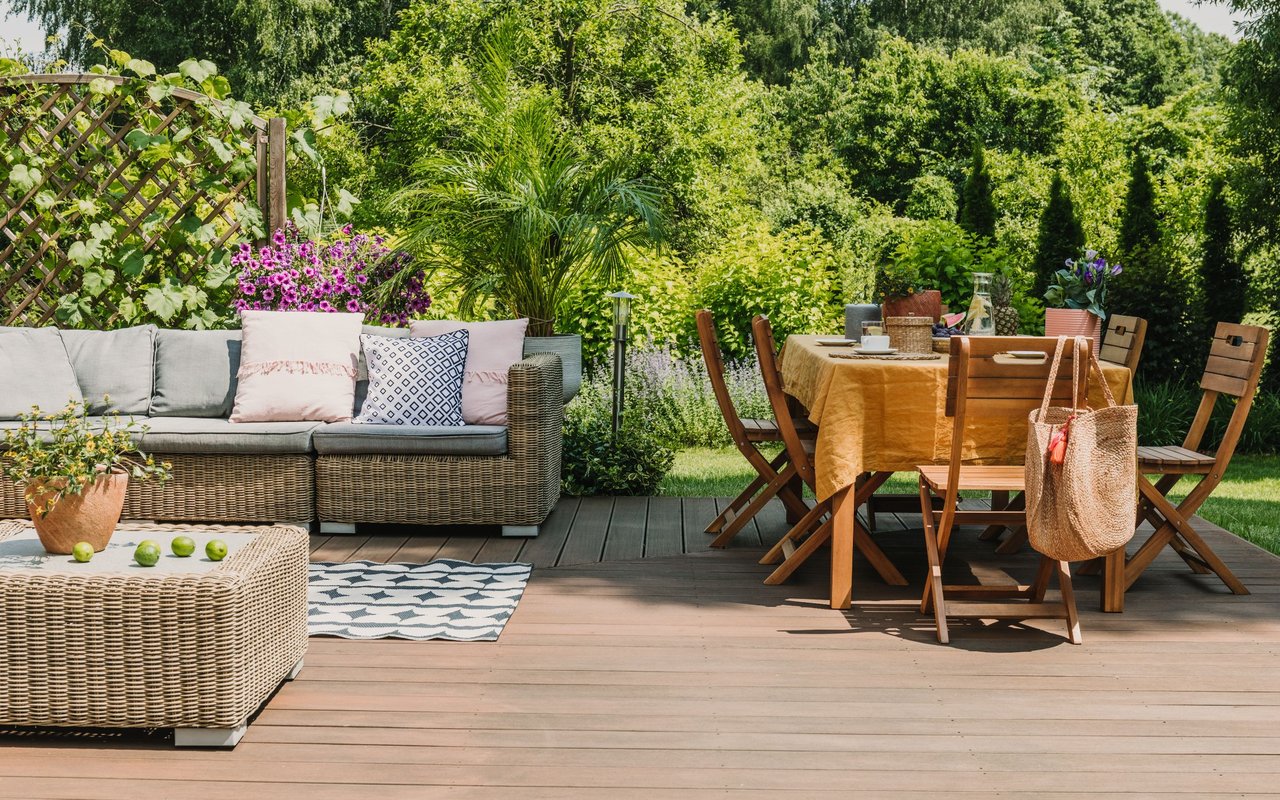
If privacy and independence are high on your list, a single-family home will often feel like the stronger fit. Detached homes do not share walls, and they generally come with private outdoor space and more direct control over the property.
That can be especially appealing if you want room for gardening, outdoor entertaining, or future projects. It can also matter if you prefer making exterior updates on your own timeline rather than working through association rules.
The tradeoff is responsibility. With a detached home, you are generally the one planning and paying for landscaping, snow removal, exterior repairs, and long-term upkeep.
Townhomes Can Mean Less Exterior Work
A townhome often appeals to buyers who want a lower-maintenance lifestyle. In many communities, HOA dues help cover services such as landscaping and routine maintenance, and some communities also offer shared amenities.
That setup can be attractive if you want less exterior work on weekends or if you prefer a more managed approach to common areas. It can also simplify some parts of ownership, especially if you are relocating, buying your first home, or downsizing from a larger property.
Still, less maintenance does not mean no responsibility. HOA dues are usually separate from the mortgage, and costs can vary a lot by community. You also need to understand exactly what the association covers and what remains your responsibility.
HOA Questions Matter for Both Choices
It is easy to assume HOAs only matter for townhomes, but that is not always true. Single-family homes can also be part of HOA-governed or planned communities in Naperville.
So the better question is not whether there is an HOA. The better question is what the HOA actually does, what it costs, and how the community handles future expenses.
Before you buy, ask questions like these:
- What do the dues cover?
- Are landscaping and snow removal included?
- Does the association handle roof, siding, or exterior painting?
- Are reserves funded adequately?
- Has the community had special assessments?
- What rules apply to pets, rentals, exterior changes, or home-based businesses?
- Are patios, balconies, terraces, and parking spaces private or limited common elements?
In Illinois, association documents play a major role in defining maintenance and ownership responsibilities. Reading those documents carefully can help you avoid surprises later.
Where You May See Each Home Type
Detached homes dominate much of Naperville’s broader suburban landscape, which matches the city’s housing and land-use data. If you picture Naperville as a city of established subdivisions and freestanding homes, that is largely accurate.
Attached housing tends to appear more often in denser, corridor-oriented areas. Naperville’s planning documents note that urban centers are primarily located along major transportation corridors and can include single-family attached homes and mixed-use development. Examples named by the city include areas around Naperville North High School, the old Ogden Mall, and the intersection of Route 59 and 95th Street.
The city’s downtown plan also describes downtown Naperville as a residential, retail, office, entertainment, and mixed-use environment. For buyers, that can mean townhomes may show up more often in downtown-adjacent or corridor-adjacent pockets, while detached homes remain more common citywide.
Which Option Fits Your Lifestyle Best
The right choice usually comes down to how you want to live, not just what you want to spend. A single-family home may fit better if you want:
- More privacy
- A larger yard
- Greater control over exterior changes
- More separation from neighboring homes
- Flexibility for outdoor living or storage
A townhome may fit better if you want:
- Less exterior maintenance
- A more compact footprint
- Shared amenities in some communities
- A more association-managed environment
- A simpler ownership experience in some day-to-day areas
Neither option is automatically better. The better fit is the one that supports your routine, budget, and long-term plans.
What Naperville Buyers Should Compare Closely
Because Naperville has a mature housing stock, two homes with similar list prices can come with very different upkeep needs. A detached home built decades ago may offer more space and yard area but require more hands-on maintenance. A townhome in a managed community may reduce some exterior responsibilities but add dues and association rules.
That is why it helps to compare homes across a few practical categories.
| Factor | Single-Family Home | Townhome |
|---|---|---|
| Structure | Freestanding | Shares at least one wall |
| Outdoor space | Usually more private yard space | Usually smaller outdoor area |
| Exterior control | More owner control | Often shaped by association rules |
| Maintenance | Usually owner-managed | Often partly association-managed |
| Monthly costs | Mortgage, taxes, insurance, maintenance, possible HOA | Mortgage, taxes, insurance, HOA dues, possible assessments |
| Privacy | Typically more separation | Typically less separation |
A simple comparison like this can quickly reveal which tradeoffs matter most to you.
A Smarter Way to Decide
If you are torn between the two, try viewing homes with a checklist instead of relying on first impressions alone. Ask yourself how much space you really use, how much exterior work you want to handle, and whether predictable shared costs feel better than surprise repairs.
It also helps to review the association documents early when you are considering a townhome or an HOA-governed single-family home. Understanding dues, reserves, maintenance obligations, and restrictions up front can give you a clearer answer than square footage alone.
In Naperville, both home types can be a great fit. The key is matching the property to your lifestyle, budget, and comfort level with maintenance and community rules.
If you want help comparing single-family homes and townhomes in Naperville, Sarah Diana can help you weigh the real costs, the lifestyle tradeoffs, and the neighborhood options so you can move forward with clarity.
FAQs
What is the difference between a single-family home and a townhome in Naperville?
- A single-family home is detached and does not share walls with another home, while a townhome shares at least one common wall and is usually part of an attached housing community.
Are townhomes in Naperville always less expensive than single-family homes?
- Not necessarily. The better comparison is total monthly cost, including mortgage, taxes, insurance, HOA dues, maintenance, and any potential special assessments.
Do single-family homes in Naperville ever have HOA fees?
- Yes. Some single-family homes are located in planned communities with HOA dues, so it is important to check what the association covers before you buy.
What do HOA dues usually cover in a Naperville townhome community?
- Coverage varies by community, but dues often help pay for items like landscaping, routine maintenance, snow removal, reserves, and sometimes shared amenities.
What should buyers review before purchasing a Naperville townhome?
- You should review the association documents, dues, reserve funding, any history of special assessments, maintenance responsibilities, and rules covering items like pets, rentals, parking, and exterior changes.