
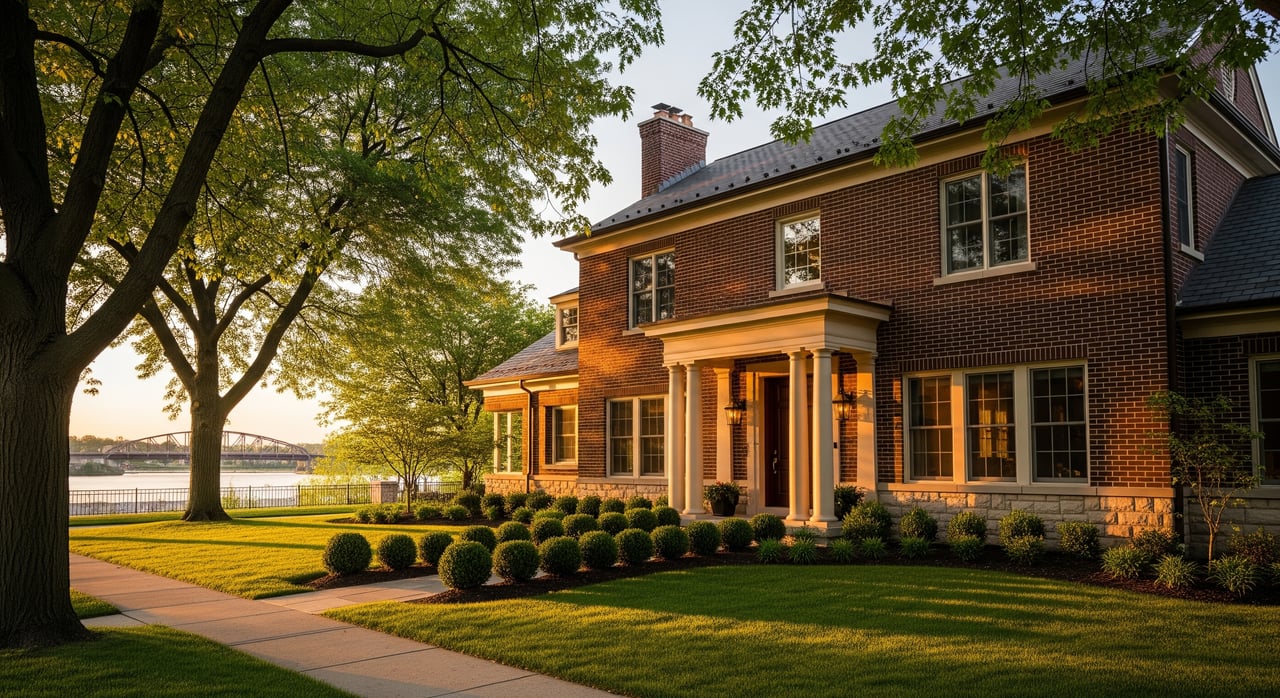
Buying a home in Naperville should feel exciting, not overwhelming. If you are a first-time buyer or relocating to DuPage County, you might be wondering how to time each step, what inspections to order, and what makes this market unique. In this guide, you will learn the complete process from pre-approval to closing, plus local tips that help you move with confidence. Let’s dive in.
Why Naperville buyers choose it
Naperville offers suburban neighborhoods, access to the Metra BNSF line, and a lively downtown with shops and restaurants along the Riverwalk. Many buyers consider school boundaries for Naperville Community Unit School District 203 and 204 when planning a search. Commute access is a common priority, with Metra schedules and service guiding many daily plans. For in-city addresses, the City of Naperville handles utilities and permits, so confirm providers and typical monthly costs during your search.
What to budget in DuPage County
Illinois has one of the higher property tax burdens in the country, and DuPage County taxes are a meaningful part of your monthly budget. Naperville properties can fall into different taxing districts, which affects the total tax bill. Always ask for recent tax bills when you consider a property and confirm exemptions you may qualify for through DuPage County resources. Plan for homeowners insurance, utilities, and HOA or condo dues if applicable.
Step 1: Get pre-approved
A strong mortgage pre-approval sets your budget and strengthens your offer. It can take 1 day to 1 week, depending on the lender and your documentation. You will provide pay stubs, W-2s, bank statements, and a photo ID, and the lender will check credit and verify assets. For helpful overviews of timelines and costs, review the Consumer Financial Protection Bureau’s homebuying guidance.
Tip: Ask your lender to outline your all-in monthly payment at several price points, including taxes and insurance, so you can compare homes with confidence.
Step 2: Choose your local team
Select a local buyer’s agent who knows Naperville neighborhoods, school boundaries, HOA norms, and commute patterns. Your agent will set up searches, schedule tours, advise on value, and manage each step from offer to closing. In Illinois, you may also use an attorney for contract and closing document review. Decide early whether you want attorney involvement so you can plan timelines and fees.
Step 3: Tour homes and areas
The search phase can take 2 weeks to several months based on your budget, preferences, and market conditions. If schools matter to you, confirm attendance boundaries directly with the districts. You can review district resources at Naperville District 203 and Naperville District 204. If commute is key, check Metra’s BNSF schedules and allow for typical 30 to 50 minute travel times to downtown Chicago, depending on service. For utility, permit, or code questions, explore the City of Naperville website.
What to watch during tours:
- Exterior and roof condition, age of major systems, and drainage around the home.
- Basement moisture, sump pump setup, and any signs of past water issues.
- HOA or condo rules, dues, and any known assessments if applicable.
Step 4: Write a strong offer
Your agent will prepare a written offer using a standard Illinois residential contract. Offers include price, financing terms, earnest money, target closing date, and contingencies. In many price ranges, buyers offer earnest money that shows serious intent, often around 1 to 2 percent of the price, though it varies by property and market.
Sellers may respond within hours or a few days. In a competitive setting, sellers sometimes review multiple offers within 24 to 48 hours. Discuss how to balance strength and protection. You can learn more about state forms and consumer guidance through Illinois REALTORS.
Key contingencies to consider:
- Inspection contingency to evaluate the home and negotiate repairs.
- Financing contingency to protect you if the loan is denied.
- Appraisal contingency to address appraised value relative to contract price.
- Sale contingency for your current home, if needed, which is less favored in competitive markets.
Step 5: Inspect and negotiate
Once under contract, you typically have 5 to 10 business days to complete inspections. A general home inspection is standard. In Naperville and DuPage County, many buyers also order a radon test, a termite or pest inspection if wood issues are suspected, and a sewer scope for older lines. Consider HVAC evaluations, roof assessments, and lead or asbestos testing for older homes if relevant.
Local notes:
- Radon is variable in Illinois, and elevated levels can occur in DuPage County. A radon test is inexpensive and common.
- Many Naperville homes have basements and sump pumps. Review drainage, downspouts, and grading.
- Ask your agent about floodplain designations and any stormwater considerations for the block.
After inspections, you can request repairs or a seller credit. Your agent will guide you on what is typical for the area and how to keep the deal on track.
Step 6: Appraisal and underwriting
Your lender orders the appraisal after you are under contract. Scheduling and reporting often take 1 to 2 weeks. Underwriting continues until final approval. Most financed purchases move from contract to closing in 30 to 60 days. Cash purchases can close faster.
What you can do now:
- Respond quickly to lender document requests.
- Avoid major financial changes, like new loans or job changes, until after closing.
- Keep your employment and asset documentation current.
Step 7: Attorney and title review
In Illinois, closings can be conducted by title companies, closing attorneys, or both. Many buyers choose an attorney to review the contract, title commitments, and closing documents. You will see a title commitment that outlines any recorded items that affect the property. Most buyers purchase an owner’s title insurance policy, which is a one-time premium at closing.
For recording questions and county processes, consult DuPage County offices. The deed and mortgage are recorded after funding.
Step 8: Walk-through and closing
Plan your final walk-through 24 to 72 hours before closing. Confirm the home’s condition and that agreed repairs are complete, and check that appliances and systems still operate. On closing day, you will sign loan and title documents at the title company or attorney’s office. Your lender releases funds, and the county records the deed. You receive your keys once the file is funded and recorded.
Typical buyer costs
Every transaction is different, but here are common ranges you can use to plan:
- Down payment: 0 to 3.5 percent for some loan programs, 3 to 20 percent for many conventional loans. Twenty percent avoids PMI on conventional loans.
- Closing costs: about 2 to 5 percent of the purchase price. This includes lender fees, title insurance, recording fees, and prepaids such as taxes and insurance.
- Earnest money: often 1 to 2 percent of the purchase price, though it varies by market.
- Inspections: budget 300 to 800 dollars for a general inspection, with additional costs for radon, sewer scope, and specialty tests.
- Title insurance: a one-time premium at closing. Who pays can be negotiated.
For clarity on consumer costs and steps, the CFPB’s buying a home guide is a helpful overview.
Smart offer strategies
In a competitive situation, you may improve your position without taking on unnecessary risk. Consider these approaches:
- Present a clear, local lender pre-approval that fits the property type.
- Offer meaningful earnest money to show commitment.
- Use realistic timelines for inspection and financing to keep the contract credible.
- Keep essential protections, like inspection and financing contingencies, while staying flexible on credits versus repairs if needed.
Your agent will help you weigh tradeoffs and tailor an approach to the property and the seller’s priorities.
Naperville buyer checklist
- Get pre-approved and gather pay stubs, W-2s, bank statements, and ID.
- Choose a local agent who understands Naperville neighborhoods and transaction norms.
- Include school boundaries, commute times, and utility details in your search criteria. Review District 203 and District 204 resources if relevant.
- Review seller disclosures and order a general inspection, plus radon and other specialty tests as needed.
- Confirm tax history and any exemptions through DuPage County.
- Review HOA or condo rules, dues, reserves, and transfer requirements for attached homes.
- Obtain the title commitment, review any exceptions, and consider owner’s title insurance.
- Coordinate appraisal, respond quickly to lender requests, and schedule the final walk-through.
Local resources
- City of Naperville for utilities, permits, and municipal services.
- Metra for BNSF schedules and transit updates.
- Naperville District 203 and Naperville District 204 for district information.
- DuPage County for assessor, treasurer, and recorder links.
- Illinois REALTORS for state forms and consumer guidance.
- U.S. EPA lead information for homes built before 1978.
- CFPB homebuying guide for timelines and closing costs.
Buying in Naperville is a big step, and you deserve a calm, clear path from search to keys. With decades of local experience and a hands-on approach, I guide you through each decision, connect you to trusted lenders and inspectors, and keep your timeline on track. Ready to start your Naperville search or get oriented to the market? Reach out to Sarah Diana to plan your next move.
FAQs
What is the typical Naperville purchase timeline?
- With financing, plan about 30 to 60 days from contract to closing, plus 2 weeks to several months for your home search based on inventory and preferences.
Do Illinois buyers need an attorney to close?
- It is not universally required, but many buyers choose attorney review for contracts and closing documents; closings may be handled by title companies or attorneys.
How much earnest money is common in Naperville?
- It varies by property and market, but many buyers offer about 1 to 2 percent to signal commitment; it is refundable if you cancel within valid contingencies.
Which inspections are recommended for Naperville homes?
- A general home inspection is standard; many local buyers also order radon testing, a sewer scope for older lines, and targeted HVAC or roof evaluations.
How do DuPage County property taxes affect my budget?
- Taxes are a meaningful ongoing cost, and bills vary by taxing districts; verify recent tax bills and review exemptions through DuPage County.
What happens during attorney and title review in Illinois?
- Your team reviews the title commitment and closing documents, resolves title exceptions, and arranges owner’s title insurance; recording occurs with the county after funding.